Origins & 1960s
- The company was founded in 1961 under the name RotorWay Aircraft by B. J. Schramm in Chandler, Arizona, USA. Wikipedia+2Rotorway UK+2
- Schramm initially built a prototype called the “Javelin” using a motorcycle engine (~40 hp) around 1961. Rotorway UK+1
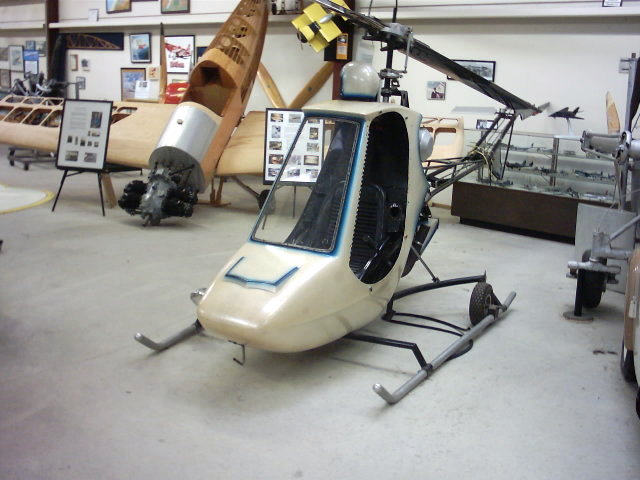
- The first production-kit helicopter was the RotorWay Scorpion (1967). It was aimed at the sport-flying public and sold as a kit. Wikipedia+1
- This was significant: one of the earliest kit-helicopter offerings. The Scorpion evolved through variants. Wikipedia+1
1970s
- The Scorpion series expanded. The two-seater version, the Scorpion II (or “Scorpion Too”), appeared around 1971. Wikipedia+1
- In 1974 they developed their own four-cycle engine (the RW133) when they couldn’t get a suitable 4-cycle from other manufacturers. The Scorpion 133 used that engine. Wikipedia+1
- Over the decade, RotorWay built its reputation as a maker of home-built helicopter kits (rather than full certified production helicopters).
1980s
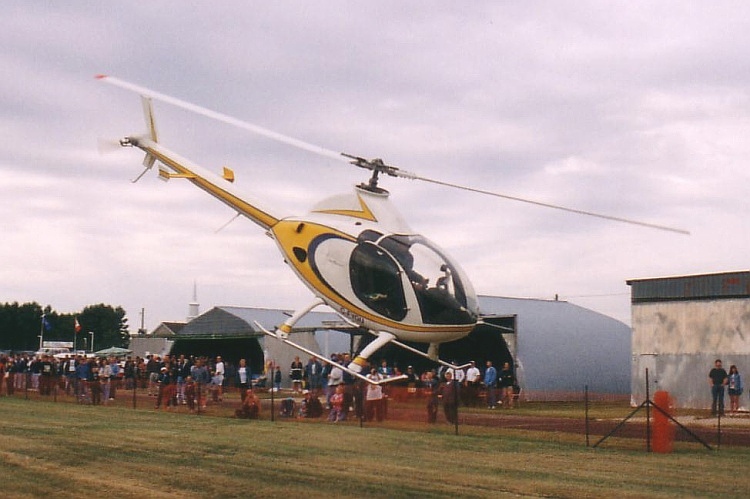
- In 1980 the company introduced the RotorWay Exec (Executive) and a new engine (RW145). The Exec had a more “finished” look compared to earlier open-frame kits. Wikipedia
- In 1982 they introduced asymmetrical rotor blades, enabling higher altitude performance (but with certain risks in autorotation). Wikipedia+1
- The company however faced financial difficulties in the late 1980s. From the “Kit Copter” article: by 1995 the earlier company had gone out of business and assets had been purchased. aopa.org
1990s: Re-organization & New Ownership
- In 1990, RotorWay Aircraft underwent re-organization and changed its name to RotorWay International. Helis.com+1
- That year, British businessman John Netherwood (who had been a customer) purchased the assets of the failing company, rehired many workers, and restarted operations under the new name. aopa.org
- He introduced the Exec 90 and later the Exec 162F (mid-1990s) which featured more modern components: fuel injection, FADEC (full authority digital engine control), improved rotor blades and kit support. Rotorway UK+1
- The company moved into a new factory in Chandler (~1994) and improved its assembly/kit process. Rotorway UK
2000s & Later Developments
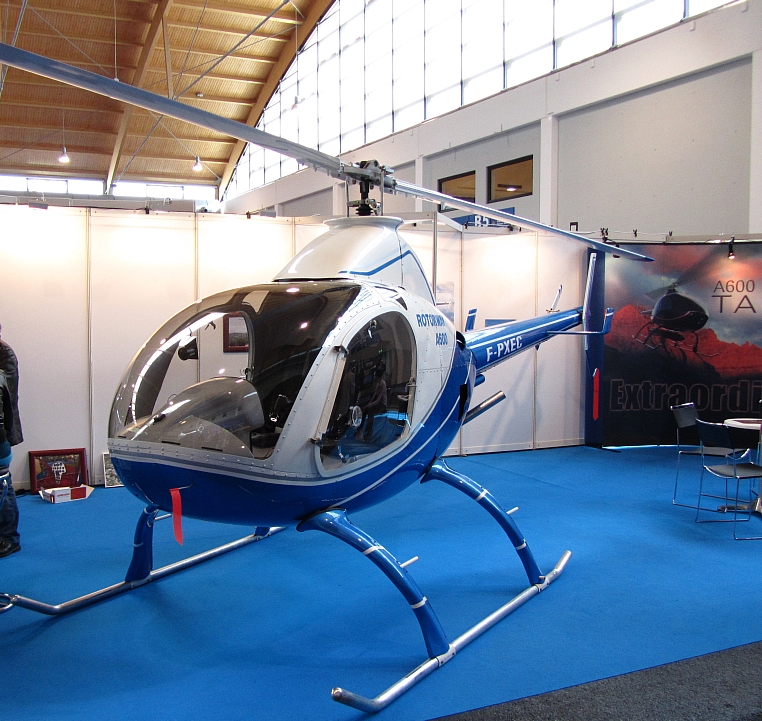
- In July 2007, RotorWay launched the RotorWay A600 Talon, a further improved two-seat kit helicopter, intended to modernize their lineup. Wikipedia+1
- In February 2009, RotorWay acquired PMC Machining & Manufacturing to bolster its manufacturing capability and to move toward certifying a two-seat turbine helicopter (with the Rolls-Royce RR300 engine). aopa.org
- The company claimed to be the oldest and largest kit-helicopter company in the world, with kits sold in over 50 countries. Rotorway UK+1
Ownership Changes & Fate
- In 2007 the upper-level management/investor group (Grant Norwitz, Bill Adams, Judy Craven) acquired RotorWay. flightmann.com+1
- In 2021, the company’s plant, designs and assets were purchased by a new company, Rotor X Aircraft Manufacturing Co., and RotorWay ceased business as such. aopa.org+1
The online casino scene is competitive, yet avengers online pokies has clearly carved out its place over recent months. Support responds to bonus-related issues usually immediately and without unnecessary delay. Helpful tutorial videos explain the rules of the live games for newcomers. Instant transfer services such as Trustly or Klarna are also included in the payment portfolio. The mobile search function finds any game within seconds. A cookie banner informs transparently about the use of tracking technology. Categorisation into themed groups makes it easier to quickly find the right game. Special-event bonuses accompany major sporting events and casino highlights throughout the year. The registration process consists of just a few necessary steps and is completed in minutes. Strategy contests are aimed at experienced players of table and live games. Anyone looking to opt for a serious operator will find a recommendable option here.
Significance & Legacy
- RotorWay pioneered the “kit helicopter” market: giving amateur builders the ability to assemble their own helicopters. marketplace.aviationweek.com+1
- They manufactured many of their own critical components (engines, rotor systems) rather than sourcing everything externally — notable for a kit-manufacturer. rotorwaycanada.com
- Their technology improvements (FADEC, asymmetrical rotor blades, etc) show a movement toward more advanced amateur-builder helicopters.
- While they never achieved full certification (commercial production) of large numbers of helicopters, their presence in the home-built rotorcraft field was substantial.
Key Models Timeline
- 1961: Javelin prototype
- 1967: Scorpion (first production kit)
- 1971: Scorpion II (two-seat)
- 1980: Exec (new design)
- 1990: Exec 90 (redesigned)
- 1994: Exec 162F (modern iteration)
- 2007: A600 Talon (kit helicopter, two-seat)
- 2021: Assets transferred to Rotor X